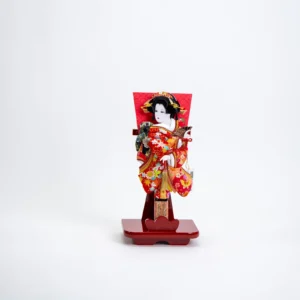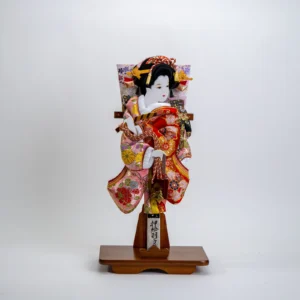


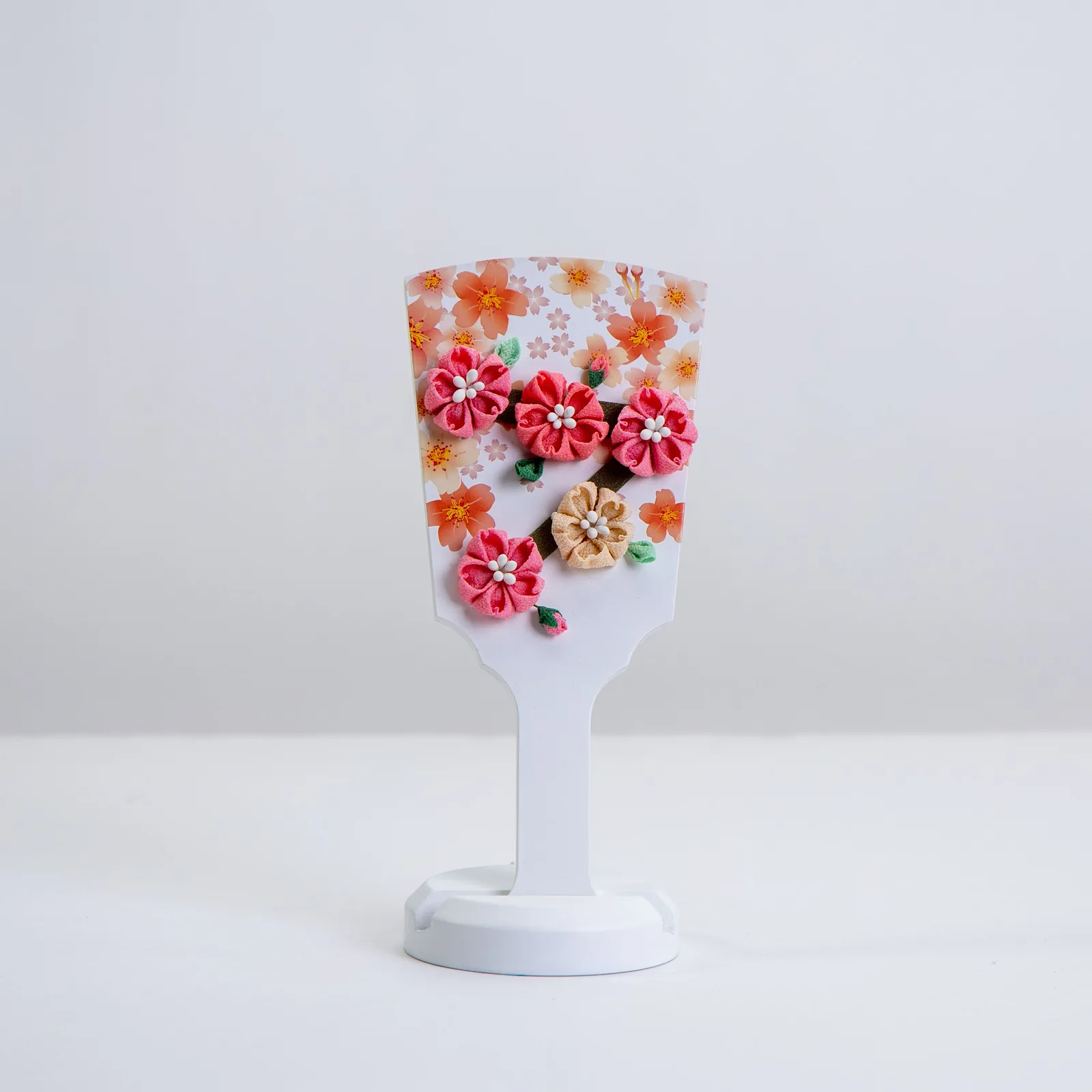
Hagoita Hana Komachi Furisode No. 16 (Travel)
$181.21
2 in stock

During Japanese's holiday seasons, delivery may take longer than usual due to congestion in customs procedures. Delivery estimated between May 15 - May 18

Shipping calculated at Checkout. Freeship for orders above $349.


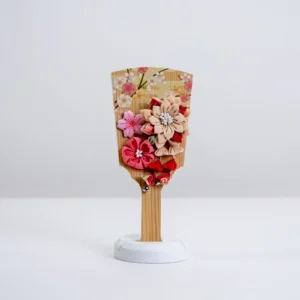
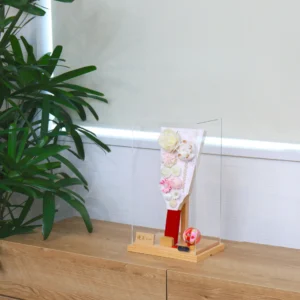
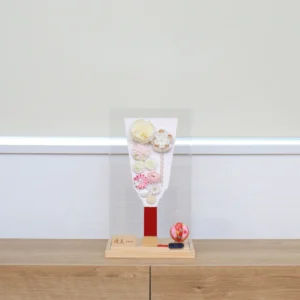
A traditional Japanese hagoitakazari adorned with hand-painted cherry blossom branches and delicate tsumami-zaiku flowers. This elegant ornament represents protection from misfortune, new beginnings, and the arrival of spring.
Your security is our priority. We use encrypted payment gateways to ensure your transactions are always safe. Whether you pay by credit card or digital wallet, your data remains private and protected.
At Fujiki Crafts, we take pride in our handcrafted excellence from Yame. As each piece is unique, we only accept returns for items that are defective, damaged during transit, or incorrect. Please contact us within 7 days of delivery with supporting photos to initiate a claim. Items must be unused and in their original packaging to be eligible. For international returns, please ensure packages are marked as 'Returned Goods' to avoid customs complications. You can read more about our full Refund & Return Policy here.
Make Your Decor More Beautiful
Buy this product for wholesale?
Interested in carrying this product in your store or creating your own brand? We offer competitive wholesale pricing, professional private label, & customize solutions tailored to your business needs. Learn more about partnering with us.
Description
This is a traditional Japanese hagoitakazari.
A hagoitakazari is a traditional lucky charm displayed to celebrate a baby girl’s first New Year, wishing for her healthy growth and protection from evil.
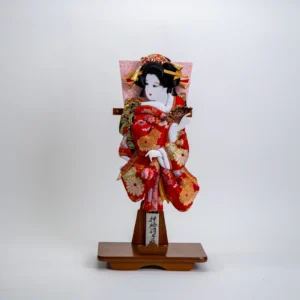
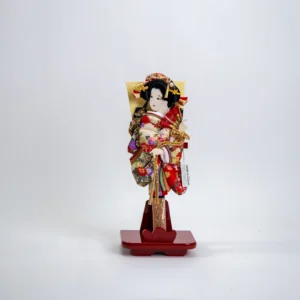
Originally a tool for the game “hanetsuki” (badminton), which has been played since the Muromachi period, it developed into a decorative item during the Edo period with the appearance of “oshie hagoita” (appliqué battledores) depicting Kabuki actors in three dimensions.
Main meaning and origin:
* Protection from evil and misfortune: The black ball (mukuroji seed) used in the shuttlecock for hanetsuki can be written as “無患子” (meaning “children will not suffer”), and the shape of the shuttlecock resembles a dragonfly that eats mosquitoes, so it is considered a charm to protect children from illness.
* Repelling evil spirits: The action of hitting the shuttlecock with a hagoitakazari is thought to be similar to “repelling misfortune.”
This hagoitakazari features a cherry blossom branch painted using traditional techniques. Furthermore, each of the tsumami-zaiku flowers, handcrafted one by one, expresses the arrival of spring in Japan.
Additional information
| Dimensions | 30 × 15 × 10 cm |
|---|